What Changed in Small Residential Rental Underwriting
Just a few years ago, landlord insurance applications focused on address details, square footage, and the number of units. Roof age and water loss history were minor questions, if they came up at all. Carriers mainly wanted to know if the property met basic standards and had no recent large claims. The process was simple, and most owners moved from one renewal to the next with little fuss.
Today, the questions are different. Underwriters now ask for the exact year the roof was last replaced, how old the water heater is, and whether any water shutoff devices are installed. They request details on past water-related claims and want to see maintenance records. In many cases, the presence of a single water loss, even if repaired, may trigger further scrutiny or a new deductible. The shift reflects a changed risk landscape for insurers, as weather events and water claims drive up the cost of property policies.
Keep reading: The Fall Walkthrough Checklist for a Small Multifamily Building
Roof Age Rules, Actual Cash Value Schedules, and Cosmetic Exclusions
Most major carriers now use roof age as a core rating factor. A roof under ten years old is often eligible for full replacement cost coverage. Once a roof passes the ten or fifteen-year mark, the policy may only cover actual cash value for roof damage. This means depreciation is subtracted, so an old roof might be worth only a fraction of replacement cost if hail or wind damages it. Some carriers set the cutoff as low as eight years for certain shingle types.
Actual cash value schedules are not all the same. Some companies have aggressive depreciation tables that reduce payouts sharply after year ten. Others use a gentler curve, but still leave owners with a large out-of-pocket expense if the roof is past the carrier's preferred age. Cosmetic exclusions are also now common. Carriers may refuse to pay for shingle damage that is deemed "cosmetic", for example, minor granule loss or small dents that do not affect function. Owners are left to cover the repairs themselves or live with the damage.
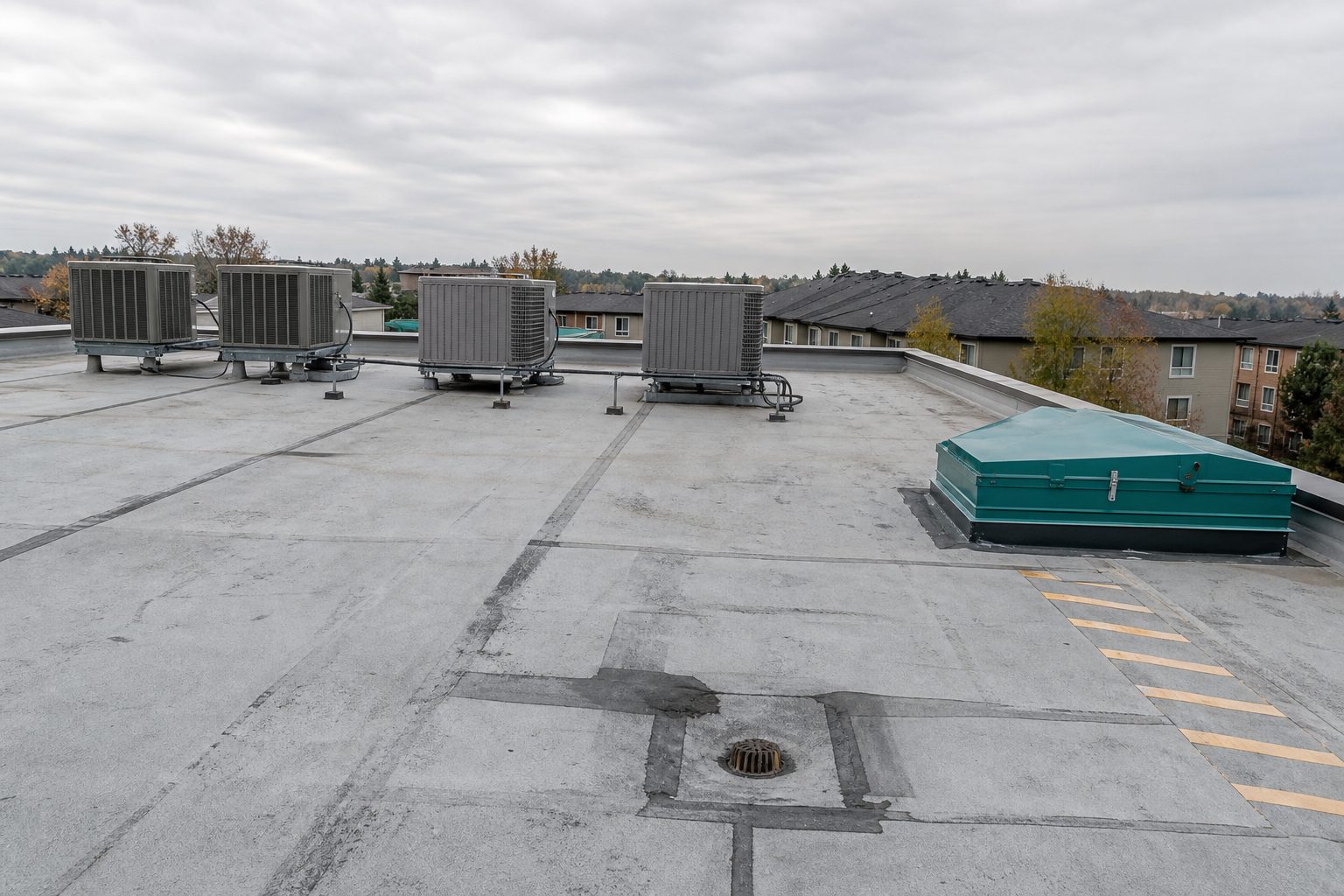
Inspections drive many of these decisions. Some carriers send adjusters to inspect roofs at renewal or after a claim. Drone photos are frequently used to check for curling, missing shingles, and ponding. If a roof fails inspection, the owner is often given a short window, sometimes 60 days, to replace it or face nonrenewal. This has made proactive planning for roof replacement essential for owners of older properties.
Water Damage Sublimits and Separate Water Deductibles
Water damage claims have surpassed fire in frequency for many small residential rental portfolios. In response, insurers now set lower sublimits for non-weather water damage, such as plumbing leaks or appliance overflows. A policy may cover $100,000 for fire, but cap water damage at $10,000 or $25,000 per occurrence. Some carriers offer higher water sublimits, but only if the property has certain water shutoff devices or leak detection systems.
Water-related losses now often carry a separate, higher deductible. Instead of the standard deductible for all perils, water losses might have a $5,000 minimum or a percentage of the dwelling coverage. In properties with older plumbing or original water heaters, the carrier may insist on these higher deductibles as a condition of renewal. Owners who have had a water claim in the past three to five years may find their water deductible doubled or even tripled at renewal, regardless of claim size.
Some policies now exclude water backup or sewer line failure unless a separate endorsement is purchased. These endorsements can be difficult to obtain for older properties, especially if a past backup claim appears on the loss run. Owners increasingly need to budget not only for repairs, but also for the possibility that even a small leak could result in significant out-of-pocket costs due to these sublimits and deductibles.
Keep reading: Component Useful Life and Monthly Reserve Math per Rental Unit
How Two Small Claims Can Reprice an Entire Policy
In the past, small claims for minor leaks or roof repairs would raise little concern at renewal. Now, even two small water or roof claims in three years can push a policy to nonrenewal or a steep premium increase. Underwriters see repeated small losses as a sign of underlying maintenance issues or systemic risk. Some carriers have adopted "two strikes" rules, where two water losses in five years lead to declined renewal, regardless of cost or cause. Others respond with surcharges that may double the annual premium after the second claim.
Pattern detection plays a role. Claims for the same issue, such as recurring roof leaks or repeated toilet overflows, are especially concerning to carriers. They may classify the property as high risk, restrict coverage, or require upgrades before writing a new policy. Even claims that are closed with no payout can be counted against the owner. This makes it critical to understand when to file small claims versus handling repairs out-of-pocket, as each reported incident shapes future insurance costs.
Leak Sensors, Automatic Shutoff Valves, and Credits Carriers Give
Carriers now offer credits or preferred pricing for units equipped with leak sensors and automatic water shutoff valves. These devices can detect leaks under sinks or behind appliances and shut off the water supply automatically, limiting the extent of damage. Insurance applications often ask whether such systems are installed and, if so, in which units. Documentation or photos may be required to verify the equipment is active and maintained.
Credits for leak detection systems vary. Some carriers give a modest premium reduction, while others may increase water sublimits or reduce the water deductible for protected units. In buildings with multiple units, partial installation may still result in credits, though full building coverage is generally required for the largest benefits. Owners should note that not all systems qualify, only those with remote monitoring or automatic shutoff typically count.
These credits are most common for new construction and recently renovated properties, but retrofitting is increasingly encouraged. Local plumbers can install shutoff devices on the main line or individual units, and many products now offer app-based alerts for real-time monitoring. Landlords who invest in this technology not only reduce risk, but may also find it easier to negotiate favorable terms with their carrier.
See how LeakTicket handles this for property management
Loss Runs and the Maintenance Records Underwriters Ask For
Insurers now request multi-year loss runs as part of the renewal process, sometimes going back five years. These reports list all claims, open or closed, and their dollar amounts. Underwriters use loss runs to spot patterns, such as repeated water or roof claims, and to determine eligibility for their preferred programs. In some states, a negative loss history can force an owner into a surplus lines policy or state-backed plan with higher costs and fewer coverage options.
Maintenance records are increasingly important. Carriers may ask for documentation of roof replacements, plumbing upgrades, or the installation of leak detection systems. Some require proof of regular inspections or photos showing the current condition of roofs, water heaters, and major appliances. Well-kept records can help offset concerns about past claims. For example, if a property had a leak two years ago but the owner can show that all supply lines were replaced, underwriters may be more willing to renew standard coverage or offer better terms.
Digital maintenance tracking is gaining traction among small landlords. Tools that log repair history and store photos make it easier to respond to carrier requests. This is especially valuable when an insurer asks for evidence that repairs were made promptly or that a recurring issue was resolved with a lasting fix.
Where Small Owners Land: Surplus Lines and State Backed Plans
Owners with multiple recent claims, an older roof, or a history of water losses may find themselves declined by standard carriers. The next stop is often the surplus lines market, where specialized carriers write policies for properties that do not fit standard guidelines. These policies cost more, often have higher deductibles, and come with more exclusions, especially for water and wind. The underwriting process is stricter, with more documentation required and less willingness to negotiate on roof age or claim history.
State-backed plans, sometimes called FAIR plans, are the last resort for properties that cannot secure private coverage. These plans typically offer only basic fire and named-peril coverage, with limited or excluded water protection. Wind and hail may also be excluded or capped. Owners using state-backed plans must be prepared for lower coverage limits and higher out-of-pocket exposure if a loss occurs. These plans rarely accept older roofs or recurring water claims without significant surcharges.
Some owners try to time major repairs, such as roof replacement or plumbing upgrades, to coincide with renewal in hopes of moving back to a standard carrier. Documentation of upgrades is essential, as underwriters will want proof that the property now meets their requirements. The transition process can take a full renewal cycle or longer, depending on claim history and market conditions.
Timing Roof and Water Heater Replacement Around Renewal Dates
The timing of major repairs can have a significant effect on insurance eligibility and pricing. Many owners try to complete roof replacements or water heater upgrades just before renewal, so the new equipment appears on the application and in inspection photos. A new roof can open doors to full replacement cost coverage, remove depreciation schedules, and restore cosmetic coverage. Carriers may require the roof to be under a certain age as of the renewal date, so scheduling is critical.
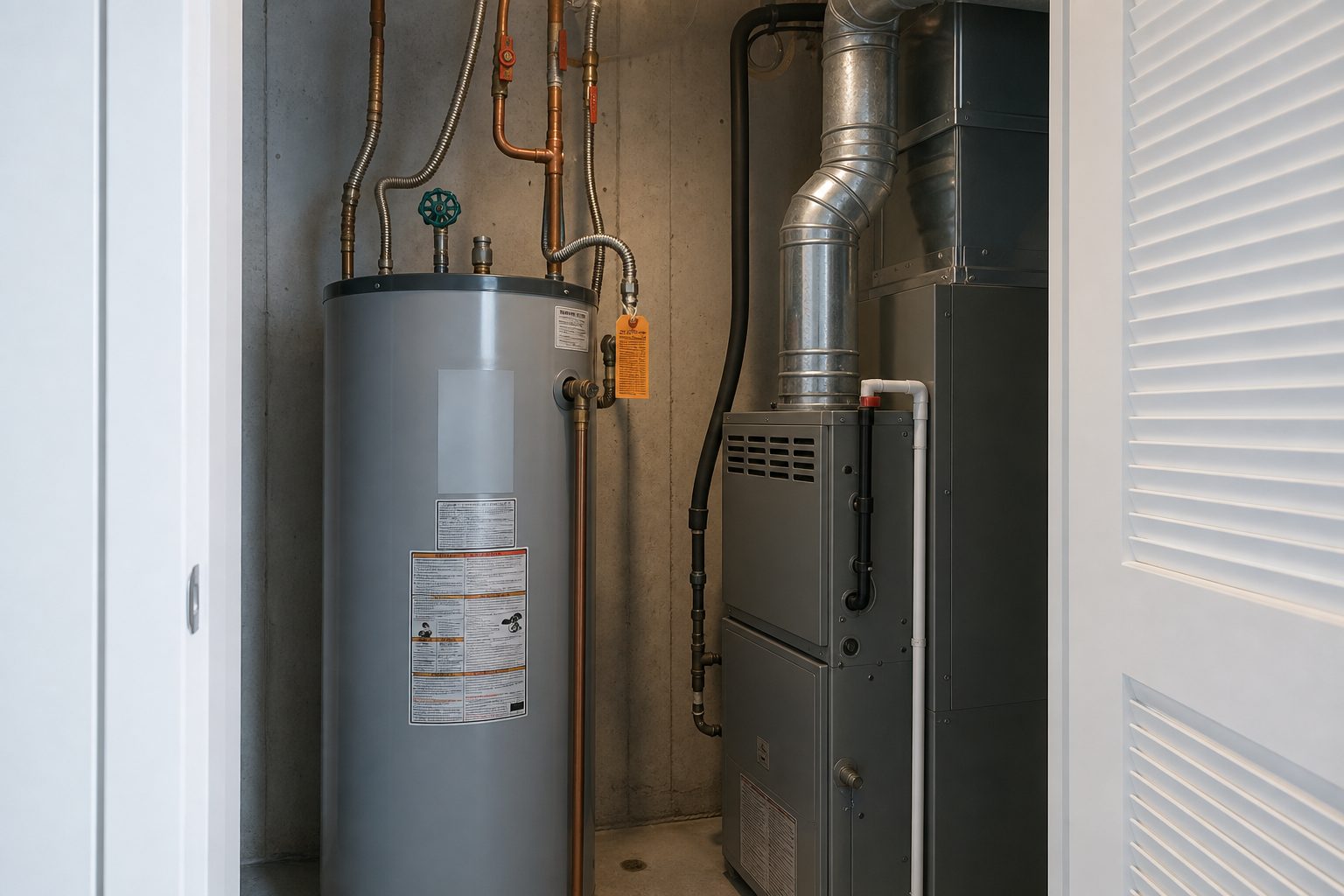
Water heater replacement is another key planning point. Carriers often flag water heaters over ten or twelve years old as a risk for leaks and water damage claims. Replacing these before renewal can make it easier to secure higher water sublimits or avoid a separate water deductible. In multi-unit buildings, carriers look at the oldest unit's equipment, not just averages, so coordinated upgrades may be necessary.
Owners should keep detailed records of all repairs, including invoices, photos, and permit copies. This documentation can be submitted during the renewal process or in response to carrier requests. Digital platforms for repair tracking make this process smoother and help demonstrate a proactive approach to maintenance, which underwriters increasingly reward.
For small landlords, the challenge is not just completing repairs but capturing the evidence and presenting it in a way that carriers accept. Maintenance portals that collect tenant requests, photos, vendor dispatches, and repair history by unit can streamline this process and support better outcomes at renewal.