The Building: Vintage, Original Systems, and Construction Details
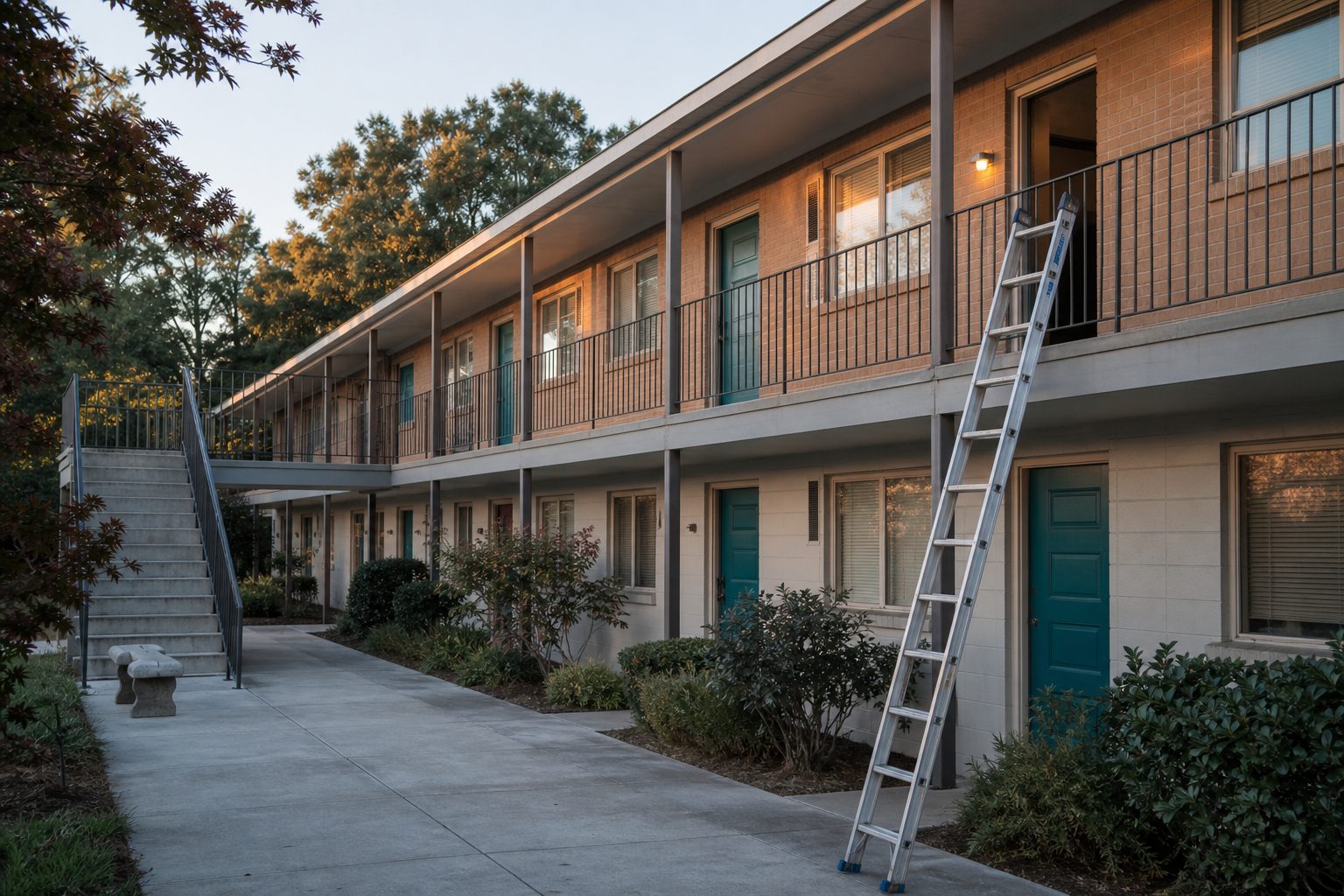
The garden apartment building in question was built in the late 1960s and still holds most of its original systems. The structure is two stories with eight units per building, arranged in a U around a small courtyard. Exterior walls are double wythe brick, with wood framing inside. The roof is low slope, modified bitumen, with overhangs. Each unit has its own entrance but shares plumbing chases and electrical service with its neighbors.
Mechanical rooms sit at the ends of each building, housing domestic water risers, electrical panels, and gas meters. Most fixtures and lines remain as installed: cast iron for drains, galvanized steel for supply, and aluminum wiring on branch circuits. Many units have original steel windows and sliding glass doors. This mix sets the stage for the most common maintenance calls.
Keep reading: How to Document a Repair So It Holds Up in Small Claims Court
Drains and Stacks: Cast Iron, Kitchen Grease, and Root Intrusion
The stack system is vertically continuous, with cast iron running through the walls from roof vent to building drain. Side branches from kitchens and baths tie in at each floor. After decades, scale buildup inside the pipes has greatly reduced their effective diameter. Kitchen stacks clog the fastest, especially in lines serving units with original double-basin sinks that encourage food waste migration.
During the month observed, three work orders involved slow or fully blocked kitchen drains. Tenants reported gurgling, standing water, or backup into the sink. Snaking cleared two, but video inspection of a stubborn line showed a thick ring of black grease and a flat spot holding water just below the tie-in. These failures mostly start as a grease and soap scum problem, not roots or physical collapse.
Root intrusion is an occasional but severe issue at the building's main drain exits. The original builder planted sycamores and maples along the perimeter. In one case this month, a drain cleanout revealed fine roots at the clay-to-cast iron transition, causing slow drainage for three ground floor units. Hydro-jetting and a rooticide flush were required, with follow-up inspections now scheduled in the rainy season.
Galvanized Supply Lines and the Pinhole Leak Pattern
Hot and cold supply runs in these buildings are almost entirely galvanized pipe. By the time a property is sixty years old, the inside of this pipe will have roughened and narrowed from scale. Water pressure drops are a constant complaint, but the real trouble starts when leaks appear.
In the month tracked, two maintenance tickets originated as "water under the sink" and "wet carpet in the bedroom closet." In both cases, the source was a pinhole leak in the supply line. One line failed at a threaded joint just behind a drywall patch from a previous repair. The other was hidden above a drop ceiling, leaking slowly enough to go unnoticed until the closet floor swelled.
Most leaks in galvanized pipe start tiny. They tend to appear around unions, elbows, or areas where the pipe rests on wood framing. Temporary fixes with pipe clamps or epoxy are possible, but any new leak is a warning that more are likely soon. When one unit's leak was fixed, the adjacent unit's supply line started dripping two weeks later, requiring another cut and patch. These patterns show that repairs are buying time, not solving the underlying risk.
Keep reading: Payroll Handyman vs On Call Vendor vs Property Manager Costs
Aluminum Branch Wiring and Panels That Insurers Flag
The building's electrical system uses aluminum wiring on most branch circuits, which was common practice for a short period in the 1960s and 1970s. The panels are original, with pushmatic breakers and bus bars showing signs of discoloration. Insurance carriers have flagged several panels as "uninsurable" until updated, and some tenants have reported flickering lights or outlets that get warm under load.
This month, one tenant lost power to half the outlets in the kitchen. Investigation found a loose connection at a duplex receptacle, which had overheated and scorched the back of the outlet box. Aluminum wire is notorious for "creep," where the metal compresses and loosens under repeated heating and cooling. Even after tightening connections, the risk of recurrence remains, especially where old switches or outlets are still in use.
Panels are another weak point. A work order for "burning smell near breaker box" led to discovery of a breaker with visible arcing marks. Replacement was done immediately, but the event moved the building up the list for a full panel retrofit. Most failures do not cause outright fires, but each incident increases pressure from insurers and lenders to address the underlying system before a major loss occurs.
Windows, Sliding Doors, and the Condensation Complaint Season
Single-pane steel windows and original aluminum patio doors dominate most units. They lack thermal breaks, so they sweat in winter and leak air year-round. In the observed month, three work orders came in for "water on the window sill" or "draft near the sliding door."
Condensation builds up most often on north-facing windows in bedrooms. Tenants notice wet sills and, over time, blistering paint or black mold in the corners. Maintenance crews clean and repaint, but the underlying issue comes back every cold season. In one case, a tenant's humidifier made the problem worse, with moisture dripping onto the radiator and seeping into the floor joints. Sliding doors are another trouble spot: old tracks fill with debris, drain holes clog, and the bottom rail corrodes.
Weatherstripping replacement helps a little, but without full window replacement or storm panels, condensation and drafts remain perennial issues in these buildings. This keeps maintenance busy with repeat calls, even when the ultimate fix is clear but expensive.
See how LeakTicket handles this for property management
Slow Leaks Found Behind Tickets About Something Else
Some of the month's most expensive repairs started as minor complaints. One "musty smell in hall closet" led to discovery of a pinhole leak in an overhead supply line, dripping for weeks into batt insulation. Another ticket for "discolored ceiling paint" in the kitchen above a downstairs unit was traced to a slow drain leak, unseen and unfelt, that had rotted the subfloor.
These hidden leaks are hardest to spot because tenants report only the symptom, not the source. Maintenance staff often open small sections of wall or ceiling, patch a visible leak, and miss a second path of damage nearby. In the building's history, repeated tickets from the same stack or wall almost always reveal a slow leak that has persisted through several "quick fixes."
This month, one of the biggest surprises came from a "sticky bathroom door." The swollen jamb was caused by water wicking up from a failed wax ring on the upstairs toilet. Only after removing the trim and pulling up the bathroom floor tile did the extent of the damage become clear. Water damage is usually a cumulative problem, with costs rising fast the longer it goes undetected.
How Dispatch Order Changed Once the History Sat in One Place
Before work order history was tracked unit by unit, dispatch decisions followed the order tickets arrived. Maintenance worked from a daily list, addressing visible emergencies first: active leaks, power loss, or loss of heat. This approach missed patterns. For example, a supply line leak in one unit and wall staining in the next were treated as unrelated, even though both shared the same chase and stack.
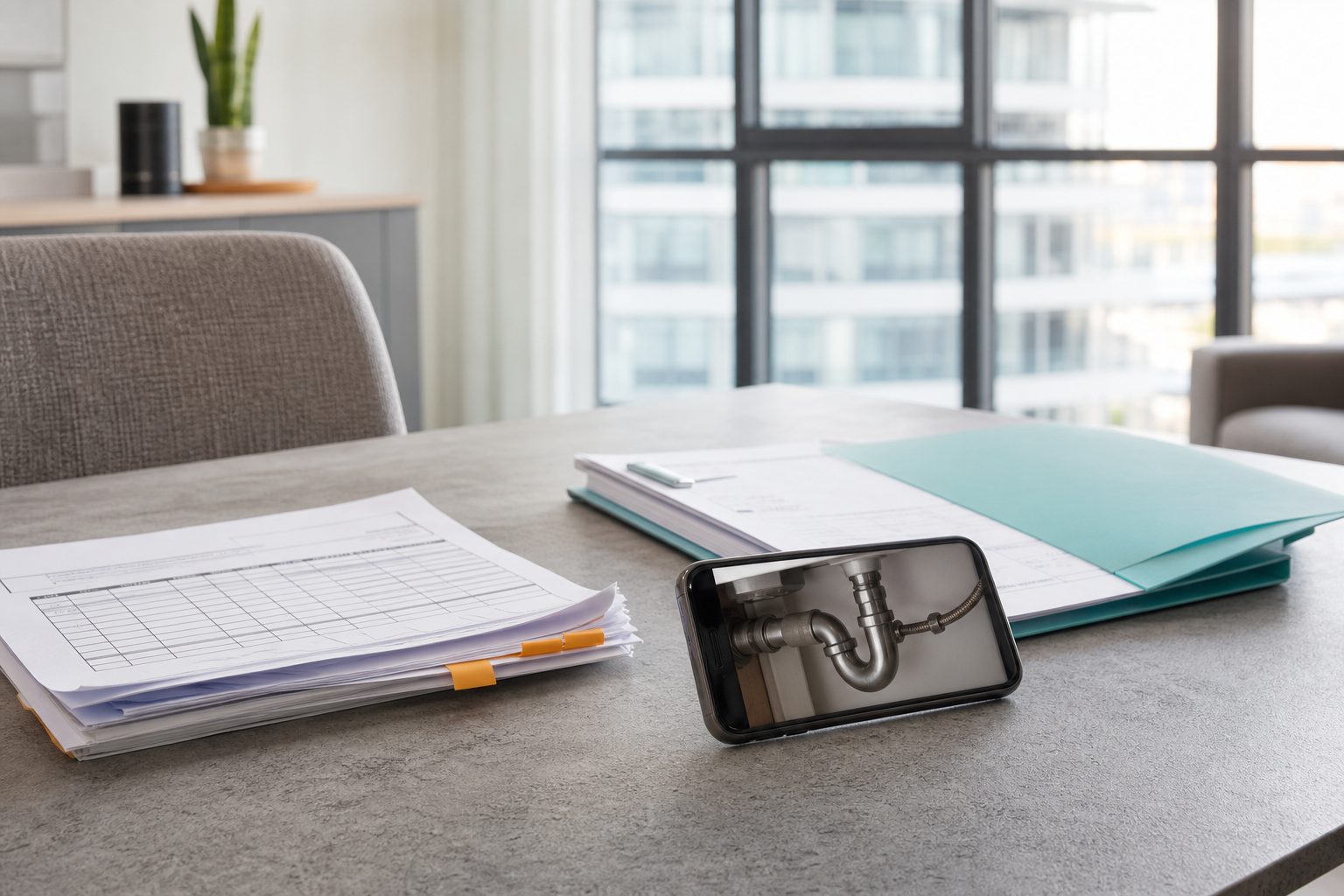
Once tickets and repair notes were organized by unit and building, patterns started to emerge. Repeat calls for "musty smell" or "slow bath drain" could be linked to ongoing problems in one stack or system. This allowed the maintenance supervisor to bundle inspections and repairs, saving trips and catching root causes earlier. In one case, grouping tickets revealed that three units had the same leaking supply elbow, installed with a batch of substandard pipe in the late 1980s. Catching these together meant the plumber could open a single wall section and fix all three at once.
Vendor dispatch also improved. Instead of sending a plumber out for one unit and an electrician for another the next day, grouped tickets allowed for scheduled blocks of work, which reduced travel charges and downtime. Having a visual history of each unit's repairs also made it easier to spot "frequent flyer" problems and prioritize more permanent fixes where they would do the most good.
What the Month Says About Next Year's Capital Plan
Reviewing a month's tickets in a 1960s garden apartment exposes the risks that old systems bring. Drains and stacks fail in predictable places, and surface-level snaking will not solve buildup or intrusion. Galvanized supply lines, after decades in service, will keep leaking until replaced. Aluminum wiring and outdated panels bring both insurance headaches and safety risks. Windows and doors provide endless small complaints, but also point to energy inefficiency and moisture problems that feed larger maintenance costs.
The most urgent capital needs for buildings like this are almost always hidden from view. Out of sight, slow leaks and aging pipe can cause damage that costs ten times more to fix after walls and floors rot. A solid capital plan prioritizes plumbing riser replacement, panel upgrades, and at least phased window improvements. Tracking repair history by unit and system, rather than just by work order, lets owners see which fixes are one-off and which warn of broader failure.
For a small landlord or hands-on owner, keeping a full repair history for each unit, with vendor notes and photos, is the key to seeing these patterns early. A maintenance request portal that captures tenant photos, links tickets to units, and builds a repair timeline can turn scattered issues into an actionable plan. This is where a tool like LeakTicket fits into daily operations and long-term planning.