Where Useful Life Figures Come From: IRS, Fannie Mae, and Trade Standards
When planning reserves for capital expenditures, small landlords usually start with published service life numbers. These come from a mix of tax rules, lending guidelines, and trade references. The IRS sets depreciation schedules for tax purposes, but those numbers don't always match how long a component lasts in practice. For example, the IRS might allow 27.5 years for residential rental property but assign much shorter periods for appliances or HVAC units.
Lenders like Fannie Mae and Freddie Mac publish their own guides for multifamily properties. They list suggested replacement intervals for roofs, boilers, water heaters, and other big-ticket items. These schedules are often more aggressive than the IRS's, reflecting lender caution. Property insurance underwriters and industry associations also weigh in with expected service life ranges, based on claims data and contractor surveys.
Trade standards come from manufacturers, contractors, and home inspector associations. These reflect average conditions, not best-case scenarios. Weather, usage, and maintenance all affect how long a component really lasts. Most service life tables show a range, not a single year.
Keep reading: A Month of Work Orders in a 1960s Garden Apartment Building
Typical Service Life by Component: Roof, Water Heater, HVAC, Flooring
Roof
A rental property's roof is one of its most expensive capital components. Asphalt shingles, the most common type, usually last 15 to 25 years. Factors like sun exposure, shingle quality, and local storms can shorten this range. Metal roofs and tile roofs can last longer, but their upfront cost is higher.
Flat roofs with membrane systems, common on multifamily buildings, usually need replacement or major repairs every 10 to 20 years. Ponding water and bad drainage speed up failure.
Water Heater
Tank-style water heaters typically serve for 8 to 12 years. Hard water, heavy use, and lack of maintenance (such as skipping annual draining) can push the lower end. Tankless models can last up to 20 years, but their repairs are costlier and harder to DIY.
HVAC
Furnaces in most climates last 15 to 20 years. Central air conditioning units tend to run 12 to 17 years, sometimes less in hot southern states. Window units and mini-splits vary, but most owners budget for replacement at about 10 years.
Flooring
Carpet, especially in rentals, is a short-life component. Expect to replace carpet every 5 to 7 years, or sooner in high-turnover units. Laminate and vinyl plank flooring can last 10 to 15 years. Hardwood can last longer, but may need refinishing every decade.
- Appliances: Refrigerators and stoves run 10 to 15 years, while dishwashers often need replacement after 7 to 10 years.
- Paint: Interior paint in rentals rarely lasts more than 3 to 5 years before touch-ups or redo are needed.
These intervals offer only a starting point. The real service life depends on tenant use, maintenance habits, and your climate. For reserve planning, use the lower end of service life ranges to avoid surprises.
Converting a Service Life Range Into a Monthly Reserve per Unit
To set a defensible monthly reserve, divide the replacement cost by the expected service life in months. This is straight math, no guesswork needed. If a new water heater costs $1,200 installed and lasts 10 years, that works out to $10 per month per unit.
Some components, like roofs and HVAC systems, serve the whole building. Spread those costs across all units. For example, if a $20,000 roof covers a fourplex and lasts 20 years, the cost per unit is $20,000 divided by 4 units divided by 240 months, or about $21 per unit per month. Repeat this for every major component.
For unit-specific items, such as water heaters and appliances, calculate reserves per unit. For shared mechanicals or structure, allocate by unit count or square footage. If you use a reserve spreadsheet, list each component, its cost, and its expected life. Add up all monthly amounts for a total capital reserve target per unit.
Adjusting for Inflation and Unexpected Costs
Every year, review costs. Material and labor prices rise. If you budgeted for a $7,000 HVAC replacement five years ago, check today's quotes. Add a cushion for permit fees, dump charges, and market surprises.
Include a buffer for emergency replacements. Even with regular reserves, a sudden furnace failure in January can wipe out your planned schedule. Consider setting aside a small extra reserve for such events.
Keep reading: How to Document a Repair So It Holds Up in Small Claims Court
Why the One Percent and Fifty Percent Rules Mislead Older Buildings
The one percent rule says you should budget one percent of the property value per year for repairs and capital. The fifty percent rule claims half of your rental income goes to expenses, including reserves. Both are broad averages that ignore building age and prior upgrades.
For older rentals, these rules set reserve targets too low. A 1950s duplex with original plumbing and wiring will need much more frequent capital spending than a ten-year-old townhouse. Even if two houses have the same market value, their component ages and capital needs differ.
Many landlords find that these rules work only in the first decade of a building's life, when everything is new. Once you own a property past its first roof and HVAC cycle, schedules based on actual component service life and replacement cost produce more reliable numbers.
- Properties in high-cost markets see price appreciation, but that does not lower the cost of roof or furnace replacement.
- Older properties with deferred maintenance often blow past the one percent rule in the first few years of ownership.
Instead of generic rules, use a component-based reserve plan tailored to your actual building age and remaining useful life.
Repair Versus Improvement: The Tax Line That Changes the Math
The IRS draws a line between repairs and improvements. Repairs restore something to working order; improvements make it better or extend its life. This line matters because repairs are deductible in the year you spend the money, but improvements must be depreciated over years.
Replacing a few shingles is a repair. Tearing off and replacing the entire roof is usually an improvement. Swapping out a failed water heater for the same type is often a repair, but upgrading to a larger or tankless unit is an improvement.
For reserve planning, focus on improvements and large replacements. These are the capital costs that need to be spread over many years. Routine repairs, like patching drywall or fixing a leaky faucet, fit under operating expenses and can be covered by your normal maintenance budget.
Keep receipts and clear records. If the IRS audits your returns, you will need to support how you classified each expense. Ask your accountant if you are unsure whether a specific job counts as a repair or an improvement.
See how LeakTicket handles this for property management
Building an Age Inventory From Data Plates and Serial Numbers
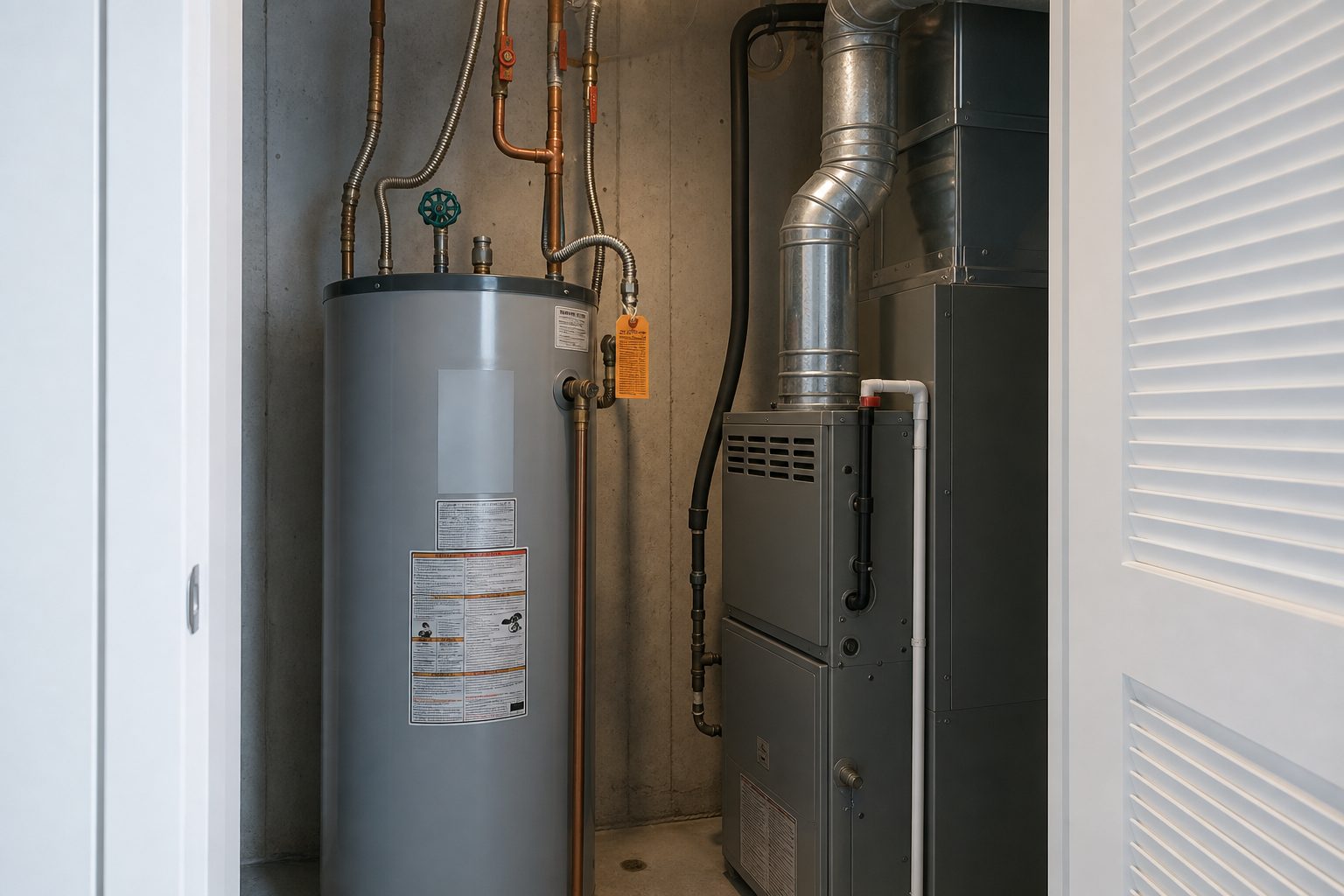
To build a true reserve plan, you need to know when each key component was last replaced. Many small landlords don't have this information on hand, especially after buying an older property. Start by walking each unit and taking photos of data plates, serial numbers, and installation stickers.
Most water heaters, furnaces, and air conditioners have manufacturer tags with the date of manufacture or encoded serial numbers. Cross-reference these with manufacturer guides to decode the year and month. For roofs, look for city permit records, contractor invoices, or shingle delivery receipts.
- Water heaters: Serial number can indicate year and month. Some brands use a letter for the month and numbers for the year.
- HVAC: Data plate usually lists manufacture date. If not, check the serial number format online.
- Appliances: Inside the door or back panel, you'll often find a sticker with the age.
Keep an inventory spreadsheet or digital log with each component's age and expected replacement date. Update it after each repair or upgrade. A photo-based system helps track serial numbers and installation records, especially when managing units at a distance.
Documenting this information pays off during property sales, insurance claims, and year-end tax prep.
Setting Reserve Targets Across a Portfolio of Mixed Vintages
Most small landlords own a mix of units: some built in the last decade, others dating to the 1970s or earlier. Each property has its own age profile and capital needs. To set reserve targets, assess each building's major systems and their remaining service life.
Group units by age or recent renovation date. For example, a triplex with new plumbing and a recently replaced roof requires a lower reserve than a fourplex with original equipment. Adjust reserve contributions to reflect what will likely need replacement in the next five, ten, or fifteen years.
If you manage multiple units, avoid spreading reserves evenly if half your buildings are overdue for upgrades. Prioritize properties with the oldest or least reliable components. For newer buildings, maintain a base reserve and review as components age.
Over time, track capital replacements and adjust your math. As you replace big-ticket items, the reserve for that component can drop, while other items rise in priority. A repair history by unit helps prevent double-counting or missing upcoming needs.
When you centralize maintenance requests and photo records, you build a real-time record of what each unit needs and when replacements happened. A tenant portal with photo intake, vendor tracking, and per-unit repair history helps landlords refine reserve calculations and spot capital needs before they turn urgent.