Before You Start: Entry Notice Rules and Scheduling
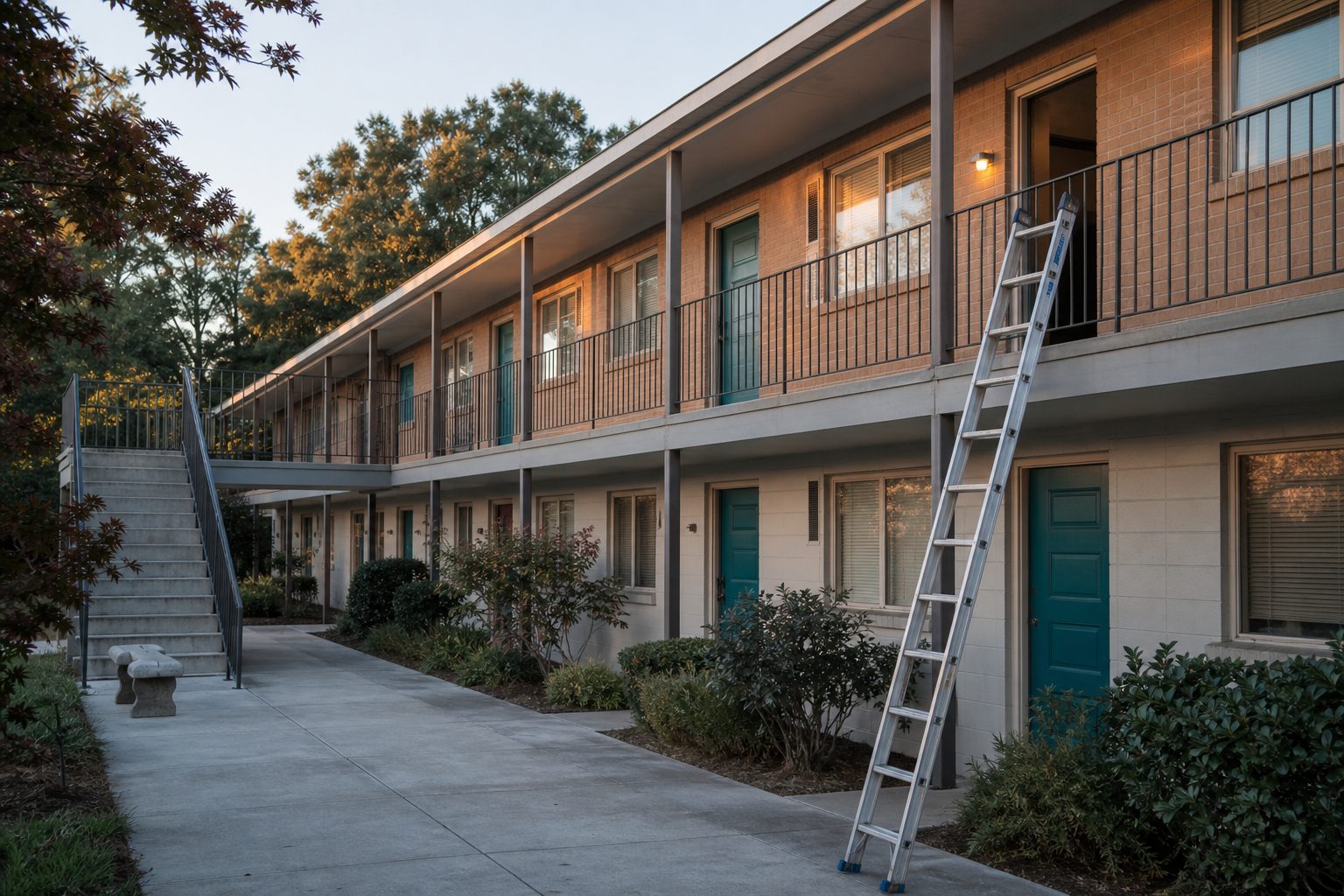
Before stepping into any unit or common area, review local regulations for entry notice. Most states require at least 24 hours' written notice to tenants before a walkthrough, though some call for 48 hours or more. The notice should clearly state the date, time window, and purpose, seasonal maintenance in this case.
Schedule walkthroughs during reasonable hours, typically between 9 a.m. and 6 p.m. If multiple units are involved, stagger appointments to allow enough time in each space. Send a written notice by mail, hand delivery, or email, depending on what your rental agreement allows. If tenants are home, politely announce your arrival and always knock before entering.
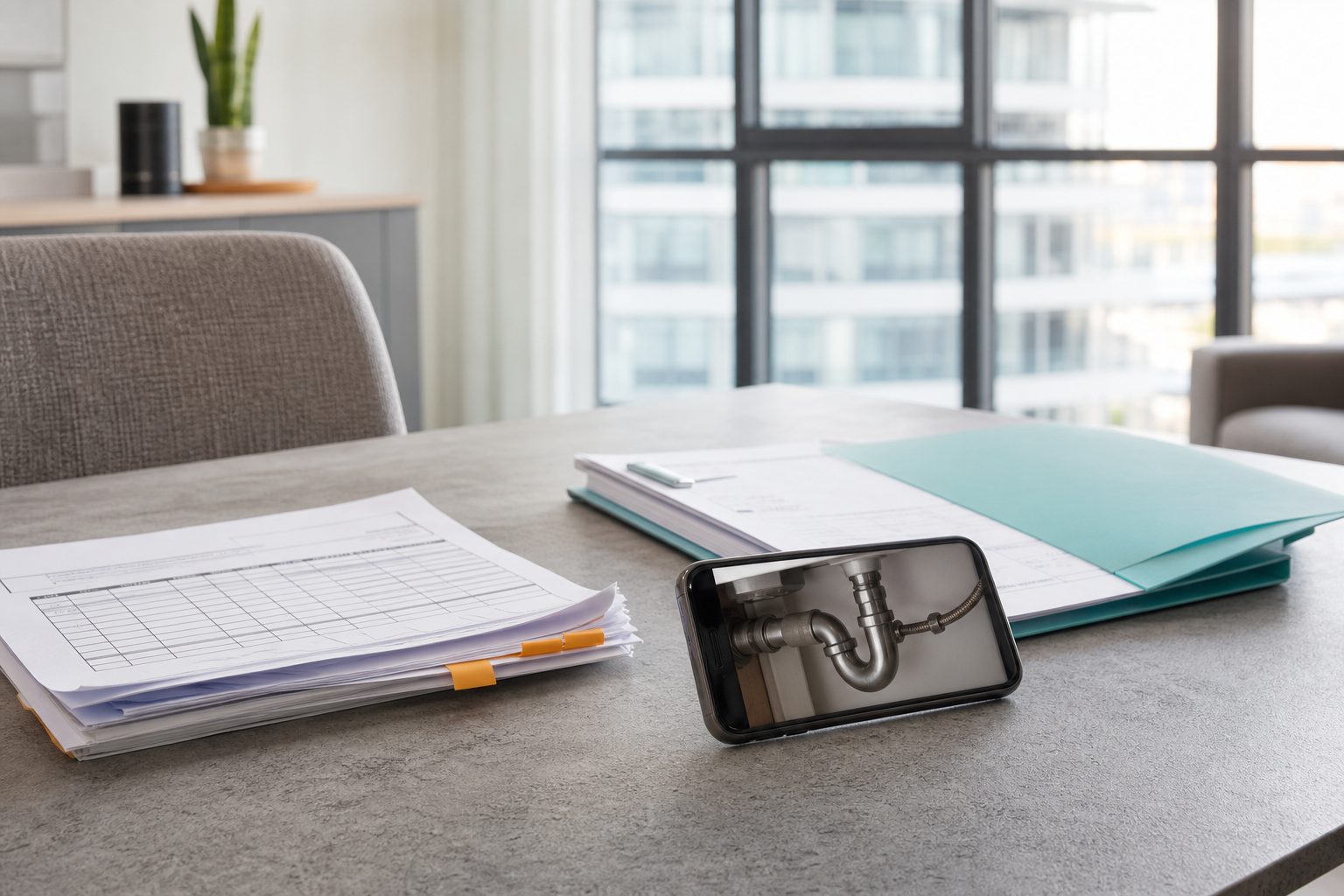
Keep a log of all notices sent and maintain a checklist for each unit and building area you plan to inspect. Having a plan saves time and helps you document due diligence, in case of disputes down the line.
Keep reading: Component Useful Life and Monthly Reserve Math per Rental Unit
Heating: Filters, Flue, Combustion Air, and Thermostat Checks
Furnace Filters
Start with the heating system. Pull out and inspect the furnace or air handler filter. If it's dark with dust or looks clogged, replace it. Dirty filters restrict airflow, strain the blower motor, and reduce efficiency. In a building with forced air, plan to swap filters at least every season or more often if you allow pets or smoking.
Flue and Vents
Look at the furnace flue pipe and vent connections. Check for rust, gaps, or signs of backdrafting, like soot stains around the joints. Any evidence of leaking exhaust should trigger a call to a licensed HVAC technician. Blocked or leaking flues can allow dangerous carbon monoxide into living spaces.
Combustion Air
In older buildings with gas appliances, check that combustion air vents or louvered doors are open and unobstructed. Tenants sometimes block these with furniture or boxes, not realizing their importance. Lack of combustion air can lead to incomplete burning and safety hazards.
Thermostats and Function Test
Set the thermostat to heat mode and run the system through a cycle. Listen for odd noises, check that the blower is working, and verify warm air at supply registers. Confirm the thermostat display works and is not covered or blocked by décor or furniture.
Water: Shutoffs, Hose Bibs, Water Heater Age, and Relief Valves
Shutoff Valves
Locate main and unit-level water shutoff valves. Exercise them, turn fully off and on, to make sure they're not frozen in place. Label shutoffs if they're not already marked. In an emergency, clear labeling saves precious time and reduces confusion for tenants and vendors alike.
Hose Bibs and Exterior Lines
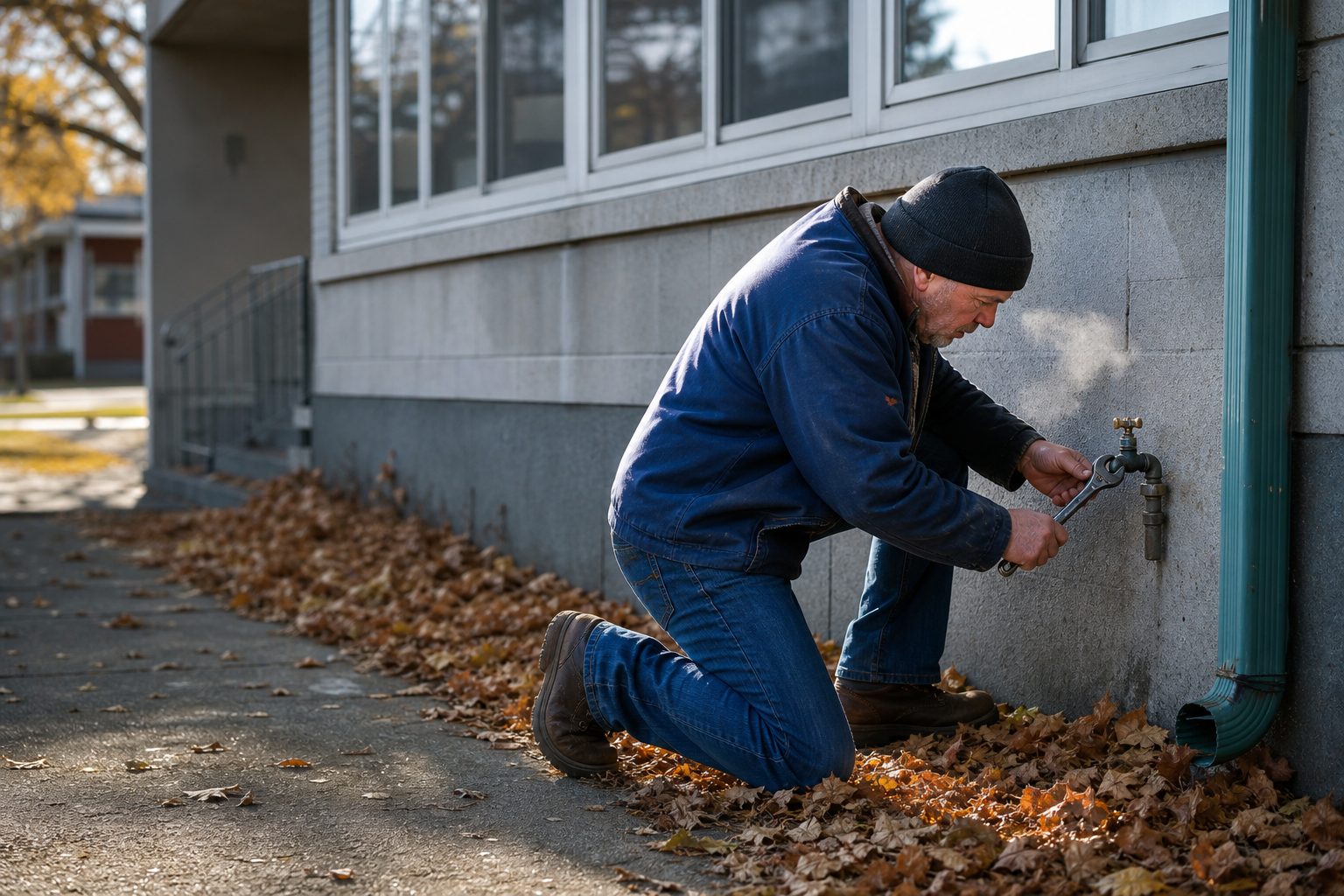
Outside, drain and shut off all hose bibs to prevent freezing. Bleed down any exposed irrigation lines. In northern climates, every year a handful of small landlords find out the hard way what an un-drained hose bib can cost in drywall and water damage.
Water Heater Checks
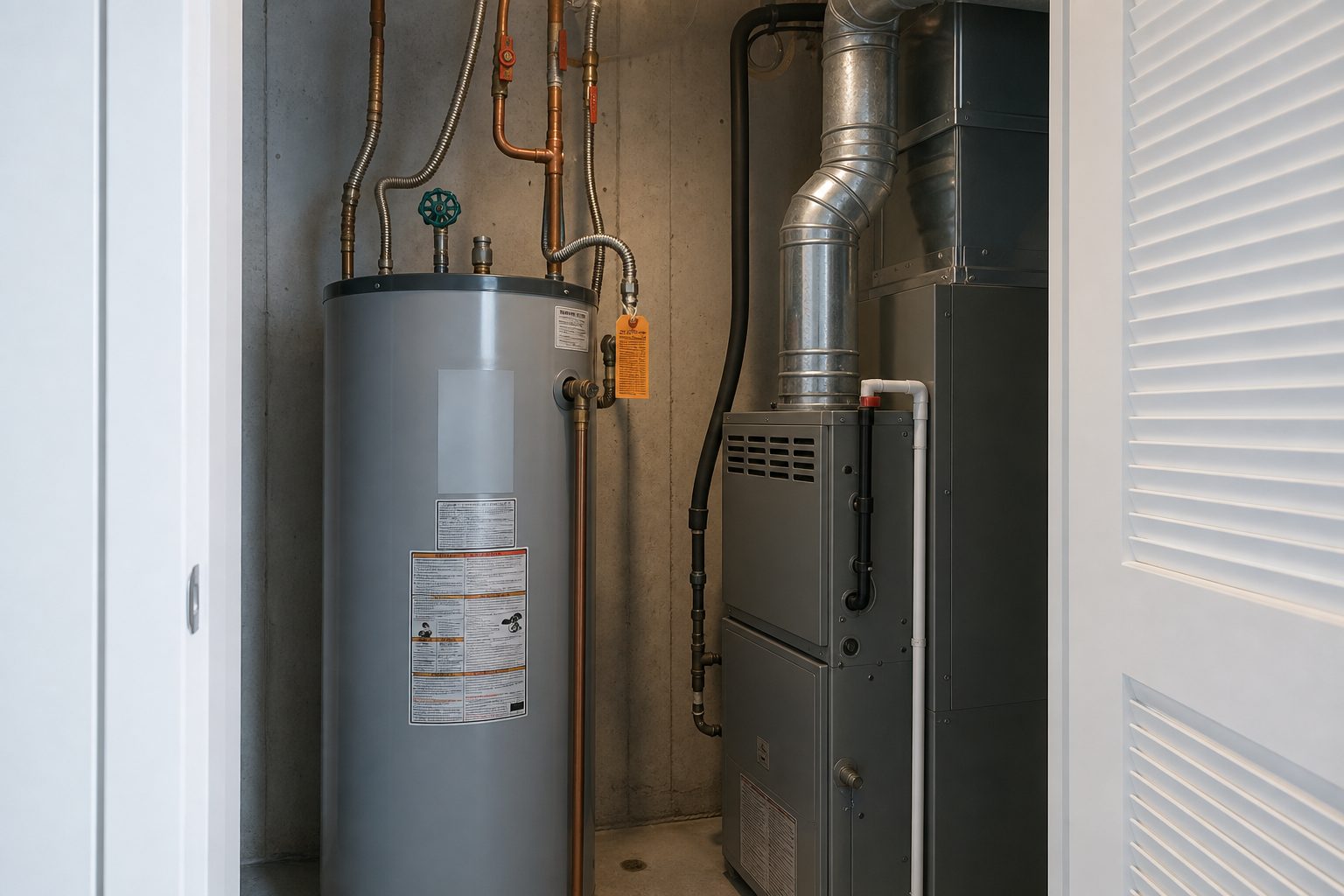
Inspect the water heater for leaks, rust at the base, or corrosion at supply pipe connections. Note the manufacture date, often found on the rating plate. Water heaters over ten years old are more likely to fail unexpectedly. If you see rust stains below the heater or around the pressure relief valve, plan a replacement before winter sets in.
Temperature and Pressure Relief (TPR) Valve
Test the TPR valve by gently lifting the lever until water flows, then let it snap shut. A valve that sticks, leaks, or won't reset should be replaced quickly. This is a critical safety device that prevents tank explosions if pressure or temperature run too high.
Keep reading: A Month of Work Orders in a 1960s Garden Apartment Building
Envelope: Roof Edges, Gutters, Grading, and Window Seals
Roof and Flashings
Walk the property perimeter and look up. Scan for missing shingles, curling edges, or lifted flashings at roof-to-wall transitions. Pay close attention to valleys and roof penetrations, chimneys, plumbing vents, and attic fans. Even a small gap here can let water in during freeze-thaw cycles.
Gutters and Downspouts
Clear leaves and debris from gutters and downspouts. Make sure gutters slope toward downspouts and that splash blocks or extenders divert water at least several feet from the foundation. Overflowing gutters can saturate soil and cause basement leaks or foundation heaving.
Grading and Drainage
Check that ground slopes away from the building. Fill in low spots or ruts where water collects. In multifamily properties, pooling near entryways or window wells is a flashing red light for future water intrusion problems.
Windows and Doors
Inspect caulking and weatherstripping around windows and doors. Old, cracked sealant lets cold air and moisture creep in, costing tenants in comfort and you in heat bills. Replace or patch as needed. If you find fogged double-pane glass, note it for future replacement.
Life Safety: Smoke and CO Alarms, Extinguishers, and Egress
Smoke and Carbon Monoxide Alarms
Every bedroom, hallway, and floor should have a working smoke alarm, and units with gas appliances or attached garages need carbon monoxide alarms. Press test buttons on each device. Replace batteries if you hear chirping or if the battery is over a year old. Swap the entire unit if the manufacture date is over ten years prior.
Fire Extinguishers
Look for fire extinguishers in common areas and laundry rooms. Check the pressure gauge and the inspection tag. The pin and tamper seal should be intact. Extinguishers over twelve years old, or those without a service tag, should be replaced or recharged.
Egress and Escape Routes
Walk all common hallways and basement exits. Make sure pathways are free of storage, furniture, or locked doors that could block a quick exit. In each unit, check that bedroom windows open easily and that no window wells are blocked by debris or snow.
See how LeakTicket handles this for property management
Common Areas: Handrails, Lighting, and Walkway Ice Risk
Handrails and Steps
Wobble every handrail in stairwells and at building entrances. Tighten loose fasteners. Check for chipped concrete, loose tiles, or wood rot on steps. A single loose tread becomes a trip hazard when icy weather arrives.
Lighting
Replace burnt-out bulbs in hallways, entryways, and exterior fixtures. Confirm that motion detectors and timers work as expected, especially on rear or side entrances. Well-lit walkways deter both crime and slip-and-fall claims.
Walkway and Parking Lot Prep
Look for cracks or uneven concrete where water can pool and freeze. Stock ice melt or sand, and check that shovels or brooms are available and in good shape. In small multifamily buildings, keeping a clear, gritted path is not just about risk, it can be the difference between a minor slip and a lawsuit.
Unit Interiors: Slow Leak Signs Tenants Never Report
Beneath Sinks and Around Toilets
Take a flashlight to every vanity, kitchen cabinet, and toilet base. Look for swelling particleboard, water stains, or warped vinyl. Even a slow drip can rot out a cabinet bottom over one winter.
Ceilings and Walls
Scan ceilings for brown or yellow stains, especially in corners and below upstairs bathrooms. Peeling paint or bubbling plaster often signals hidden leaks. If you see a patch that looks new, ask who did the repair and when.
Appliance Hookups
Pull out refrigerators and washers if you can. Feel for wetness around hoses and supply lines. Look for rust on the floor or on the bottom edge of metal appliances, an early sign of a leak that tenants may not notice.
Radiators and Baseboards
In buildings with hot water or steam heat, check radiators and baseboard covers for water stains or green/white corrosion. Bleed valves and supply connections are common drip points. A damp patch in the corner of a carpet could point to a slow bleed from a pipe.
What to Photograph and File on Every Pass
Photos are your best record if a dispute or insurance claim arises. For each unit and common area, snap clear pictures of these:
- Furnace filters before and after replacement
- Water heater data plate and condition
- Main shutoff valve location and labels
- Any visible roof, gutter, or siding issues
- Smoke and CO alarm install dates and test
- Fire extinguisher tag and gauge
- Handrails, steps, and walkways (plus any sanding or salt station setup)
- Signs of water damage under sinks, around toilets, and on ceilings or walls
- Window and door sealant condition
- Lighting and signage in common areas
Name the files with the unit or area, date, and what's shown. Back up these records in a secure place, whether on a hard drive, cloud folder, or a maintenance platform made for rentals. If a tenant later claims you missed a hazard, you have the time-stamped proof ready to go.
Having a digital maintenance request portal with support for photo uploads, vendor contact, and repair tracking can make fall walkthroughs more efficient and defensible. A tool built for small landlords, like those used by many LeakTicket readers, keeps all inspection records and service calls organized for every unit, year after year.